Common Misconceptions About Notarization Debunked
RJ
Understanding Notarization
Notarization is a critical process that ensures the authenticity of documents and transactions. However, there are several misconceptions surrounding this practice. By debunking these myths, we can better understand the vital role of notarization in legal and business settings.
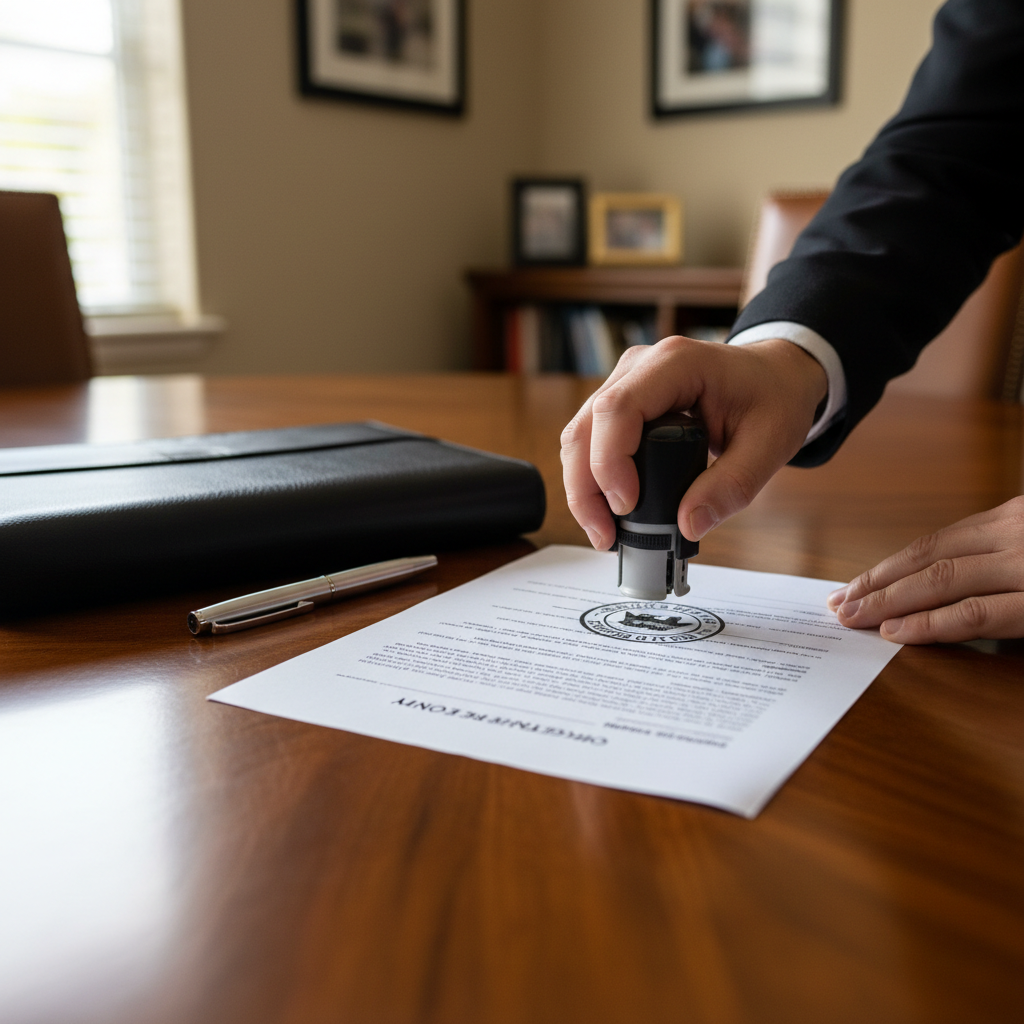
Myth 1: Notarization Proves a Document's Validity
One common misconception is that notarization confirms the validity of a document. In reality, notarization only verifies the identities of the signatories and their willingness to sign without coercion. It does not guarantee that the contents of the document are accurate or enforceable.
Myth 2: Any Document Can Be Notarized
Not all documents are eligible for notarization. For example, certain legal forms may require additional witnesses or specific formats that notaries cannot provide. It's crucial to consult with a notary or legal expert to determine if your document meets the necessary requirements.

The Role of the Notary
Notaries are often perceived as mere stampers of documents, but their role is far more significant. They act as impartial witnesses to deter fraud and ensure the integrity of the signing process. Let’s explore some common myths about their responsibilities.
Myth 3: Notaries Provide Legal Advice
Another misconception is that notaries can offer legal advice. In fact, notaries are prohibited from giving legal guidance unless they are also licensed attorneys. Their primary responsibility is to verify identity, witness signatures, and administer oaths.
Myth 4: Notarization is a Lengthy Process
Some people believe that notarization is time-consuming. While preparation can vary depending on the complexity of the document, the actual notarization process is typically swift, often taking just a few minutes if all required materials are in order.
Conclusion
Understanding the true nature of notarization helps individuals and businesses appreciate its importance in safeguarding transactions. By debunking these misconceptions, we can ensure that notarization continues to serve as a reliable mechanism for verifying identities and preventing fraud.