Common Misconceptions About Notarization in North Carolina: Debunked
RJ
Notarization is a crucial part of many legal and transactional processes, yet it is often misunderstood. In North Carolina, as in other states, various misconceptions can lead to confusion. Let's explore and debunk some of the most common myths surrounding notarization.
Notarization Is the Same as Legal Advice
One of the most prevalent misconceptions is that notaries can provide legal advice. This is not true. A notary public's role is to verify the identity of signers and ensure that documents are signed willingly and under the signer's free will. Notaries in North Carolina are not authorized to offer legal counsel or interpret legal documents.
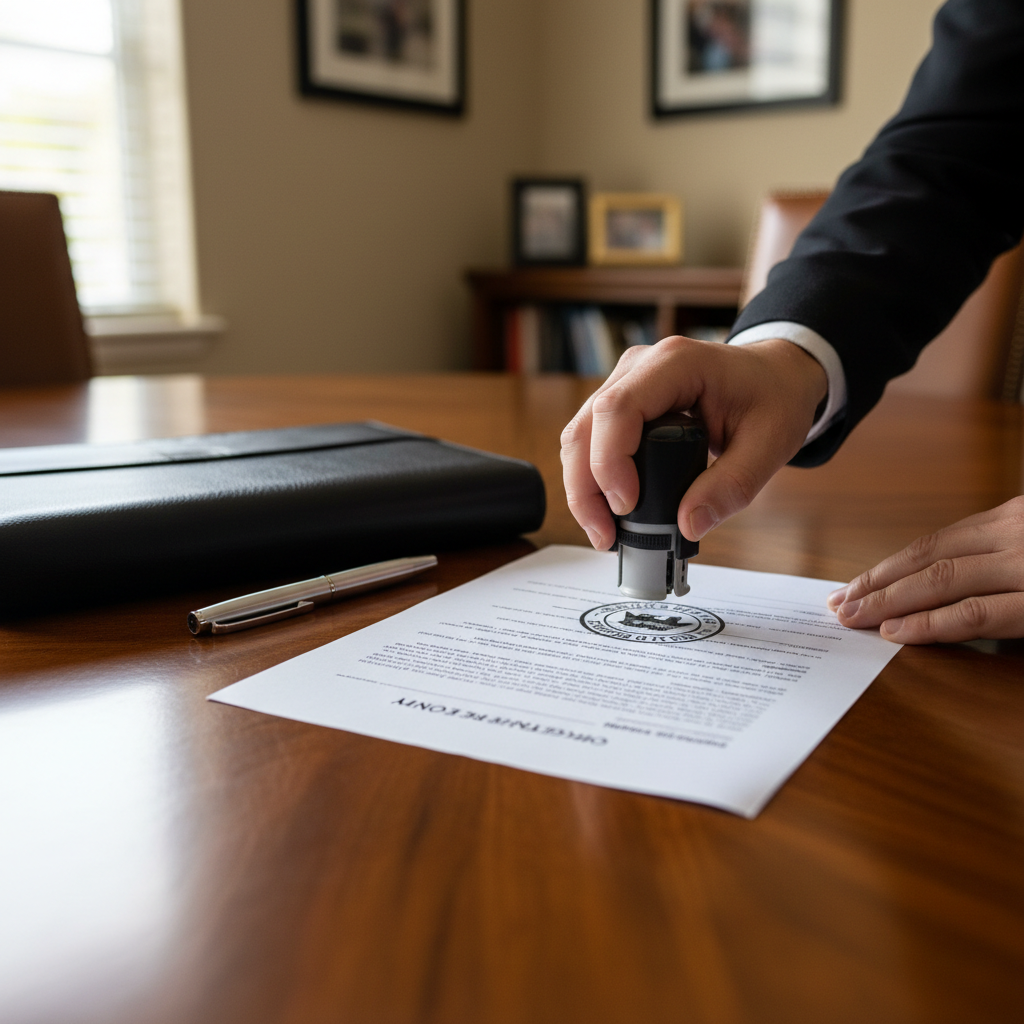
If you need legal advice, it's essential to contact a licensed attorney. Notaries are limited to administering oaths, taking acknowledgments, and witnessing signatures, which are important but distinct tasks from legal guidance.
All Documents Can Be Notarized
Not all documents are eligible for notarization. In North Carolina, documents must contain a notarial certificate or a space for one to be added. Furthermore, the document must be complete without any blank spaces that could be filled in after notarization. This ensures the integrity and authenticity of the document.
Types of Documents Commonly Notarized
- Affidavits
- Deeds
- Power of Attorney
- Business Contracts
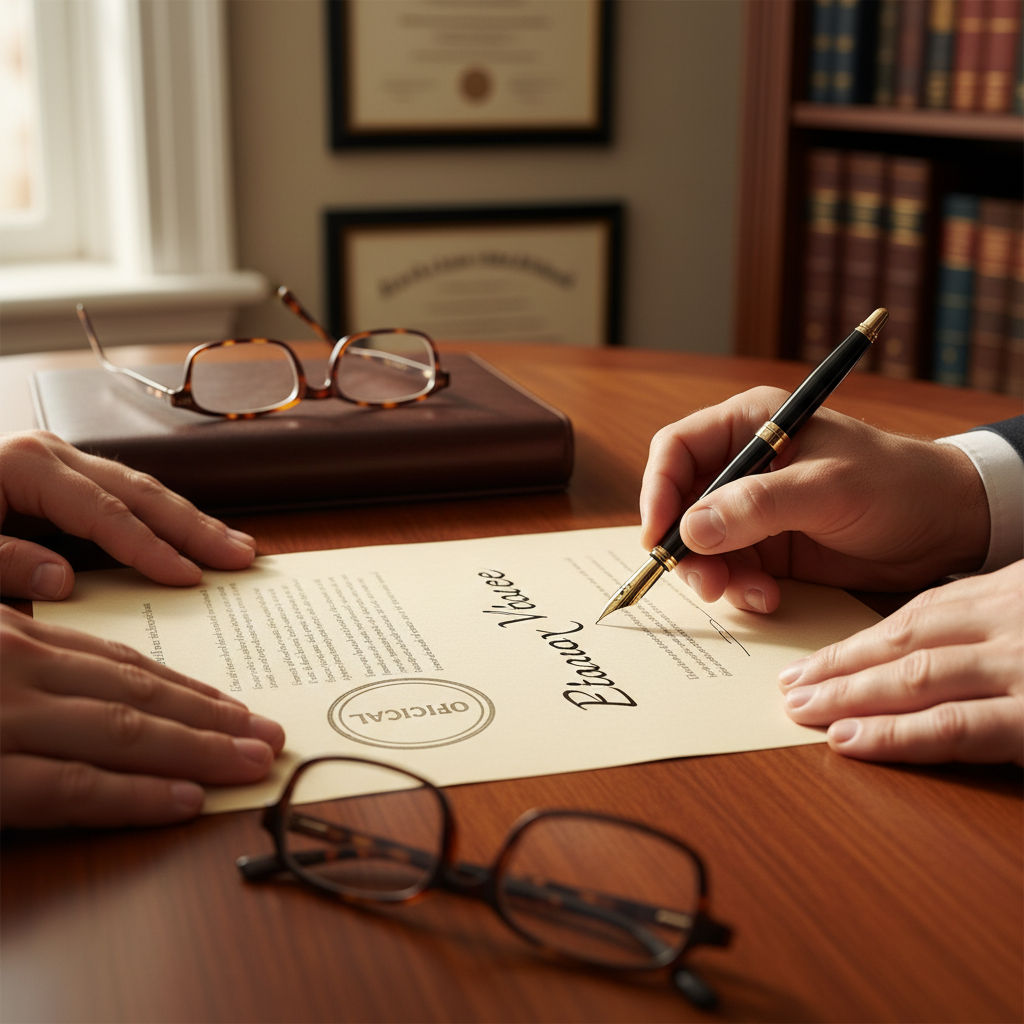
Some documents, like birth or death certificates, cannot be notarized as they are issued by government agencies. It's important to verify whether notarization is appropriate for your specific document.
Notarization Validates Truthfulness
Another misconception is that notarization confirms the truthfulness of a document's content. In reality, notarization only verifies the identity of the signers and their willingness to sign. It does not guarantee that the information within the document is accurate or truthful.
The notary’s role is to prevent fraud and ensure that the signer is competent and understands what they are signing. If you're concerned about the veracity of a document's content, consulting with a legal professional is advisable.
All Notaries Are the Same
Not all notaries have the same authority or responsibilities. In North Carolina, notaries must meet specific requirements, including passing an exam and obtaining a commission. However, there are different types of notaries, such as electronic notaries, who can perform notarizations on digital documents.
Understanding the different types of notarial acts and the qualifications of your notary can help ensure that your notarization needs are properly met. Always verify the credentials of a notary public before proceeding with notarization.
By debunking these common misconceptions, individuals and businesses in North Carolina can approach the notarization process with clarity and confidence. Whether you're finalizing a real estate transaction or signing a legal affidavit, understanding the true role of a notary public ensures a smoother, more secure process.