Comparing Traditional vs. Electronic Notarization: Which is Right for You?
RJ
In an increasingly digital world, the transition from traditional methods to electronic solutions is evident across various fields, including notarization. Understanding the differences between traditional and electronic notarization can help you decide which method best suits your needs.

Understanding Traditional Notarization
Traditional notarization involves a face-to-face meeting with a notary public. This age-old process ensures that the signing parties are who they claim to be and that the documents are signed willingly. The notary also verifies the identity of the signers through government-issued identification.
Despite its reliability, traditional notarization can be time-consuming. You often need to schedule an appointment, travel to the notary’s location, and sometimes wait in line. However, this method provides a personal touch and reassurance through direct human interaction.
Benefits of Traditional Notarization
- Personal Interaction: Direct engagement with a notary can offer peace of mind.
- Immediate Verification: Documents are verified on the spot, ensuring no digital errors.
- Widely Accepted: Most institutions are familiar with and accept this method.
Exploring Electronic Notarization
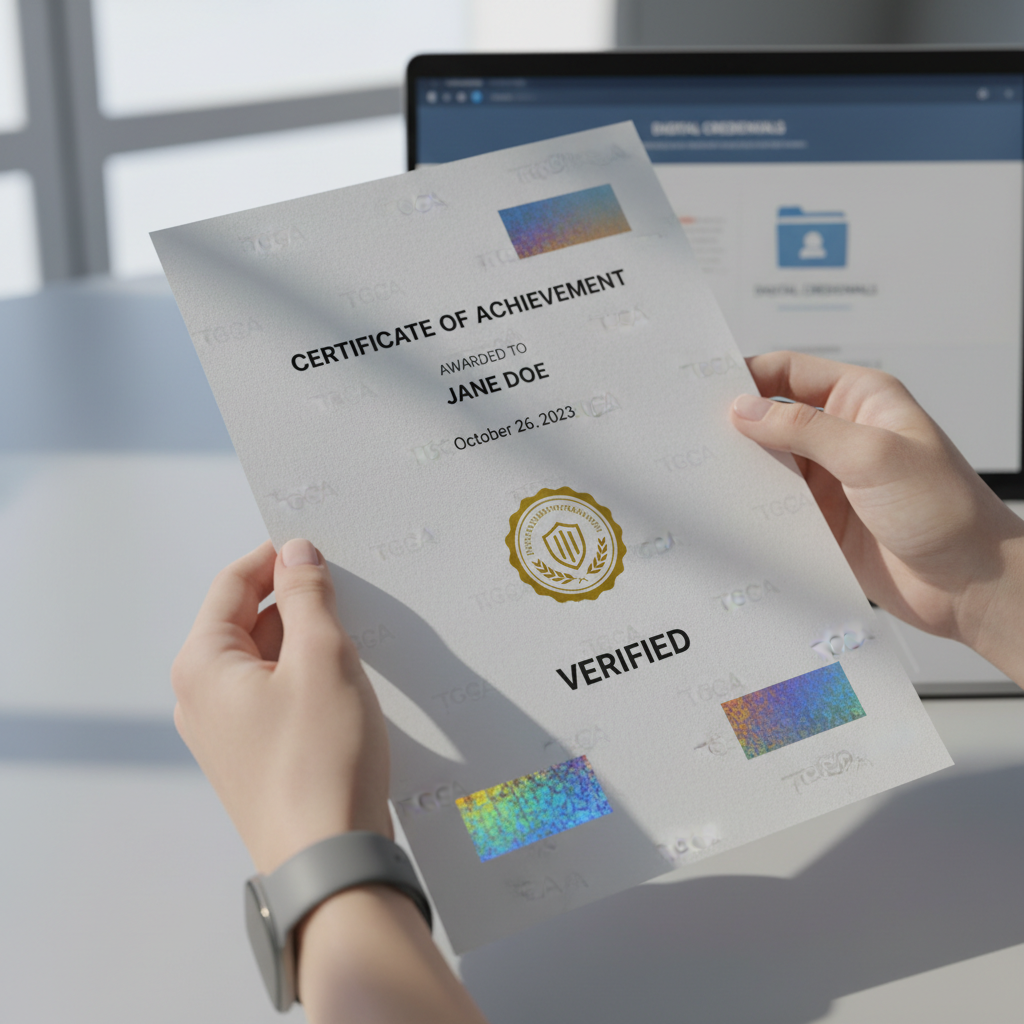
Electronic notarization, or e-notarization, allows documents to be notarized digitally. This process involves video conferencing and digital signatures, eliminating the need for physical presence. It offers a convenient alternative for those unable to meet a notary in person.
With e-notarization, the notary verifies identities through advanced technology, such as knowledge-based authentication and credential analysis. This method has gained popularity, especially as more industries embrace remote operations.
Advantages of Electronic Notarization
- Convenience: Notarize documents from anywhere with an internet connection.
- Time-Saving: No need to travel or wait in line, making it faster than traditional methods.
- Environmentally Friendly: Reduces paper usage and physical storage needs.

Which Method Is Right for You?
Choosing between traditional and electronic notarization depends on your specific needs and circumstances. If you value face-to-face interaction and have easy access to a notary, traditional notarization might be more suitable. However, if you prioritize convenience and efficiency, electronic notarization is likely the better choice.
Consider the nature of the documents, the acceptance policies of the institutions involved, and your comfort level with technology. Both methods offer legal validity and security, so your decision should align with your personal preferences and logistical requirements.
Ultimately, both traditional and electronic notarization have their own set of benefits. By weighing these against your needs, you can make an informed decision that best supports your notarization requirements.