Myths vs. Facts: Understanding Notarization in North Carolina
RJ
Introduction to Notarization
Notarization is a crucial process that plays a significant role in validating documents and ensuring their authenticity. However, many misconceptions surround the notarization process, especially in North Carolina. This blog post aims to debunk some common myths and present the facts about notarization in this state.
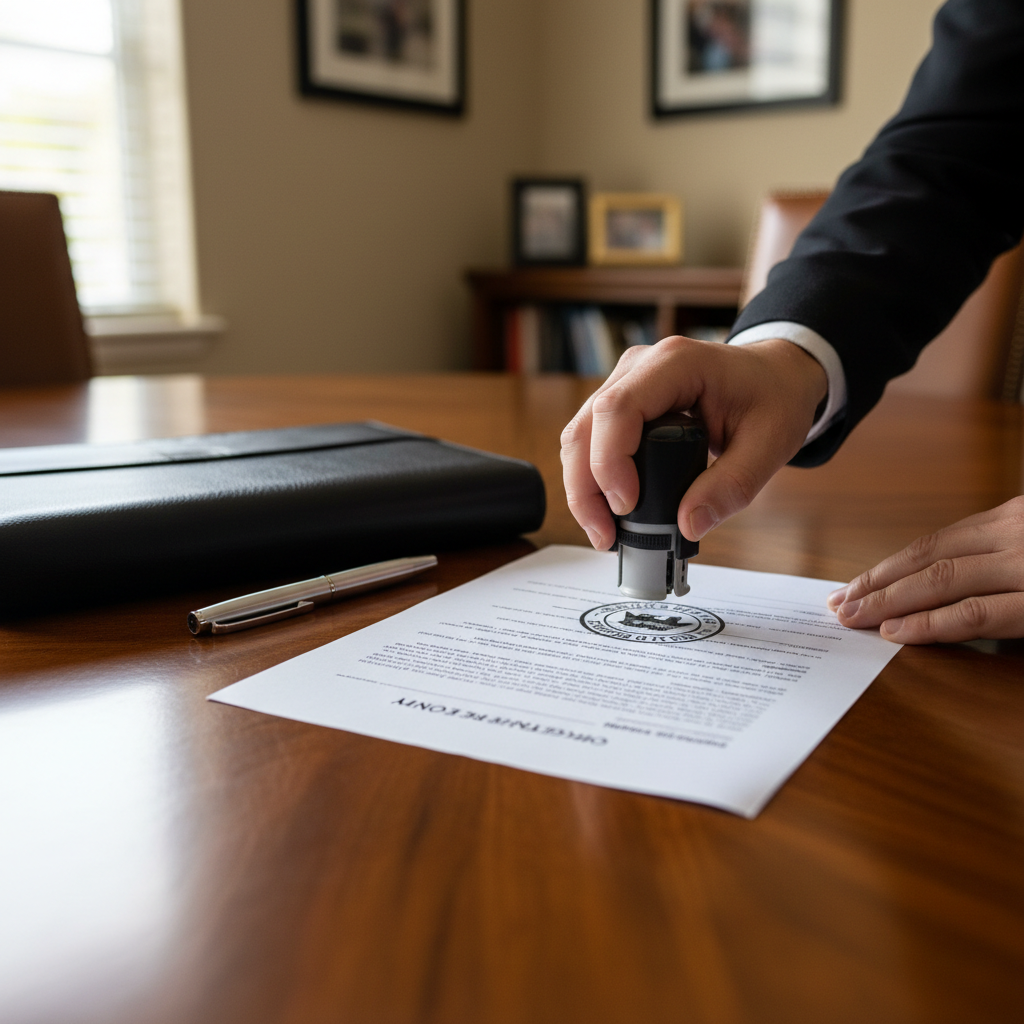
Myth: Notarization Confirms the Accuracy of a Document
One of the most prevalent myths is that notarization confirms the accuracy or legality of a document. In reality, a notary's role is to verify the identities of the signatories and ensure they are signing willingly. Notaries do not assess the content of the document for accuracy or legality.
Understanding this distinction is crucial, as relying on notarization for verification of content can lead to misunderstandings. Always consult a legal professional for advice on the document's content.
Fact: Notaries Verify Identity and Willingness
In North Carolina, notaries are responsible for confirming the identity of signatories. They do this by checking identification documents like a driver's license or passport. The notary also ensures that the signatories are signing of their own free will and not under duress.
Myth: Any Document Can Be Notarized
Another common misconception is that any document can be notarized. In truth, not all documents are eligible for notarization. For example, some documents, like vital records, cannot be notarized because they require specific handling by government agencies.
Before seeking notarization, it's essential to confirm whether your document qualifies. This step can save you time and prevent unnecessary complications.
Fact: Specific Documents Require Legal Handling
Documents such as birth certificates, marriage licenses, and death certificates must be handled by authorized agencies and cannot be notarized by a public notary. Always check with a legal expert if you're unsure about the notarization requirements for your document.
Myth: Notarization Makes a Document Legal
Many believe that notarizing a document automatically makes it legal. This is not the case. Notarization only confirms that the document's signatures are genuine and that the signatories are who they claim to be.
The legality of a document depends on its content and adherence to relevant laws and regulations. Legal advice should be sought to ensure a document's legality.
Fact: Legal Consultation is Necessary
To ensure that a document is legally binding, it is essential to consult with a legal professional. Notarization is just one step in the process of creating a legally valid document.
In conclusion, understanding the myths versus the facts about notarization can help you navigate the process more effectively in North Carolina. Always consult with professionals to ensure your documents meet all necessary legal requirements.