Remote Electronic Notarization: How It Works and Why It’s Convenient
RJ
Understanding Remote Electronic Notarization
Remote Electronic Notarization (REN) is revolutionizing the way documents are notarized by allowing the process to occur entirely online. This technology enables a notary public and a signer to complete a notarial act without being physically present in the same location. The convenience and efficiency offered by REN are making it increasingly popular, especially in today's digital age.

How Does Remote Electronic Notarization Work?
The process of Remote Electronic Notarization involves several key steps. First, the signer and the notary connect through a secure online platform that supports REN. These platforms often include video conferencing capabilities to ensure real-time interaction. The signer must provide a valid form of identification, which the notary verifies through the platform.
Once the identity is confirmed, the document to be notarized is shared electronically. The notary witnesses the signing of the document via video, and then applies an electronic seal and signature to complete the notarization. This entire process is recorded to ensure security and compliance with legal standards.
The Benefits of Remote Electronic Notarization
One of the primary advantages of REN is its convenience. Individuals no longer need to travel to a notary's office, saving both time and effort. This is particularly beneficial for those with mobility challenges or those living in remote areas.
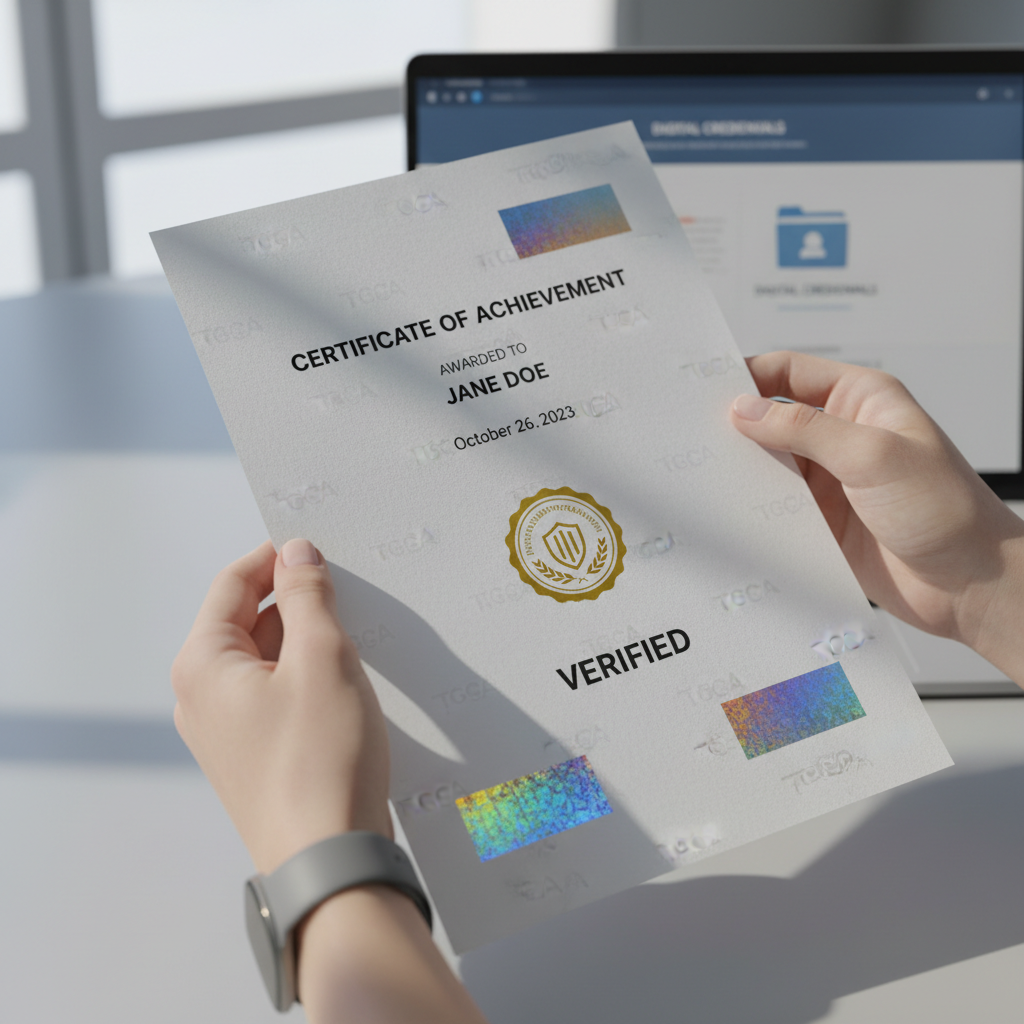
Additionally, REN enables faster turnaround times. Documents can be notarized and shared almost instantly, which is valuable for time-sensitive transactions. This speed and efficiency are crucial in sectors such as real estate, finance, and legal services.
Security and Legal Considerations
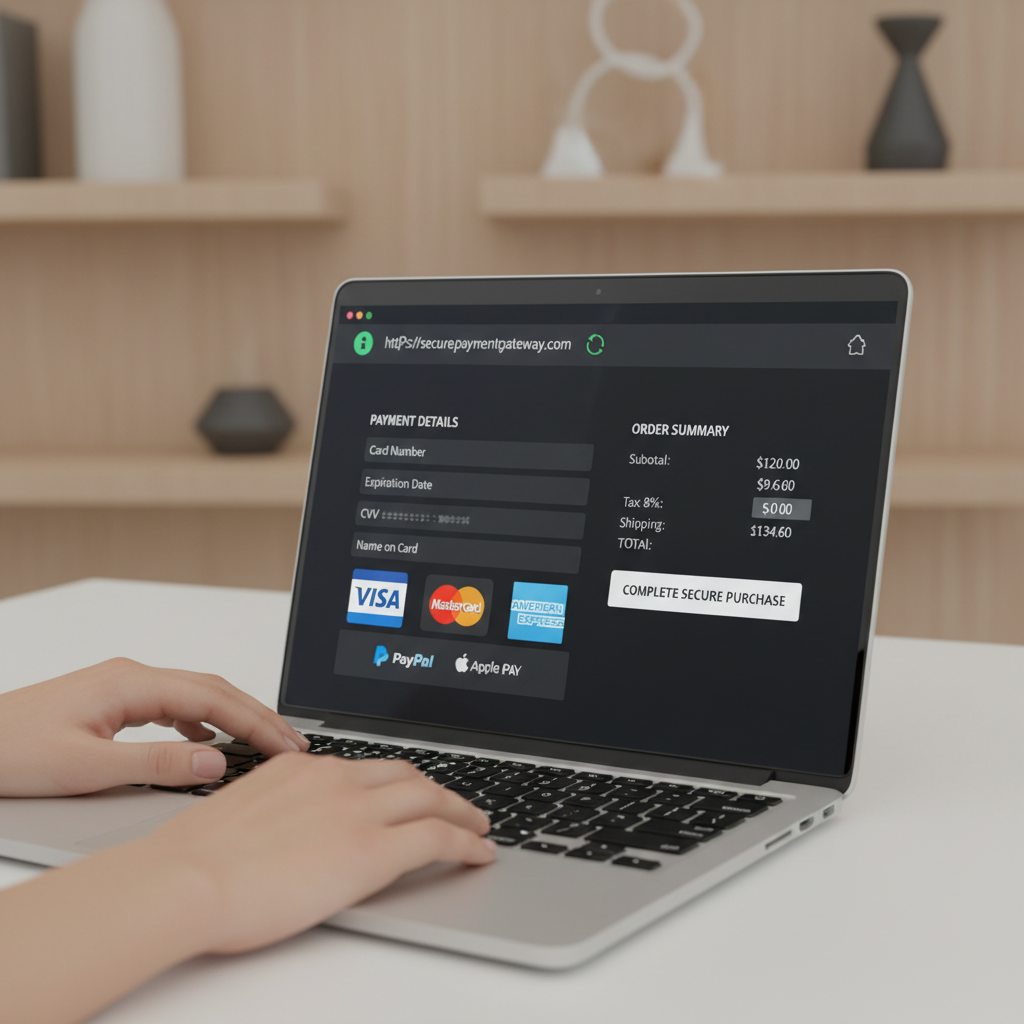
Security is a top priority in Remote Electronic Notarization. The platforms used are equipped with encryption and other security measures to protect personal information and ensure the integrity of the notarization process. Moreover, the recorded interactions provide an audit trail for future reference.
It's important to note that REN is not yet universally accepted. The legality of Remote Electronic Notarization varies by jurisdiction, so it's essential to verify whether it's permissible in your area before proceeding.
Who Can Benefit from Remote Electronic Notarization?
REN is particularly advantageous for businesses that require frequent notarizations. Companies can streamline their operations and enhance productivity by integrating REN into their workflow. Individuals with busy schedules or those who travel frequently can also benefit greatly from this technology.
Furthermore, during unprecedented times like a pandemic, when physical distancing is necessary, REN provides a safe alternative to traditional notarization methods.
Conclusion
Remote Electronic Notarization is transforming the notary industry by offering a more flexible, efficient, and secure way to notarize documents. As technology continues to evolve, it's likely that REN will become even more widely adopted, offering convenience to both individuals and businesses alike.