Remote Electronic Notarization: Transforming Document Signing in NC
RJ
Understanding Remote Electronic Notarization
Remote Electronic Notarization (REN) is revolutionizing the way documents are signed and notarized, especially in North Carolina. This process allows individuals to notarize documents electronically, without the need for physical presence. The convenience and efficiency it offers are just some of the reasons why it's gaining popularity.
In North Carolina, REN has become a game-changer, particularly in today's fast-paced digital world. By leveraging technology, individuals and businesses can now conduct notarizations remotely, saving time and resources.

The Process of Remote Electronic Notarization
The REN process involves a few straightforward steps. First, the signer connects with a commissioned electronic notary via a secure virtual platform. This platform ensures that the interaction is both safe and verifiable. During the session, the notary verifies the signer's identity using electronic tools, such as video conferencing and identity verification software.
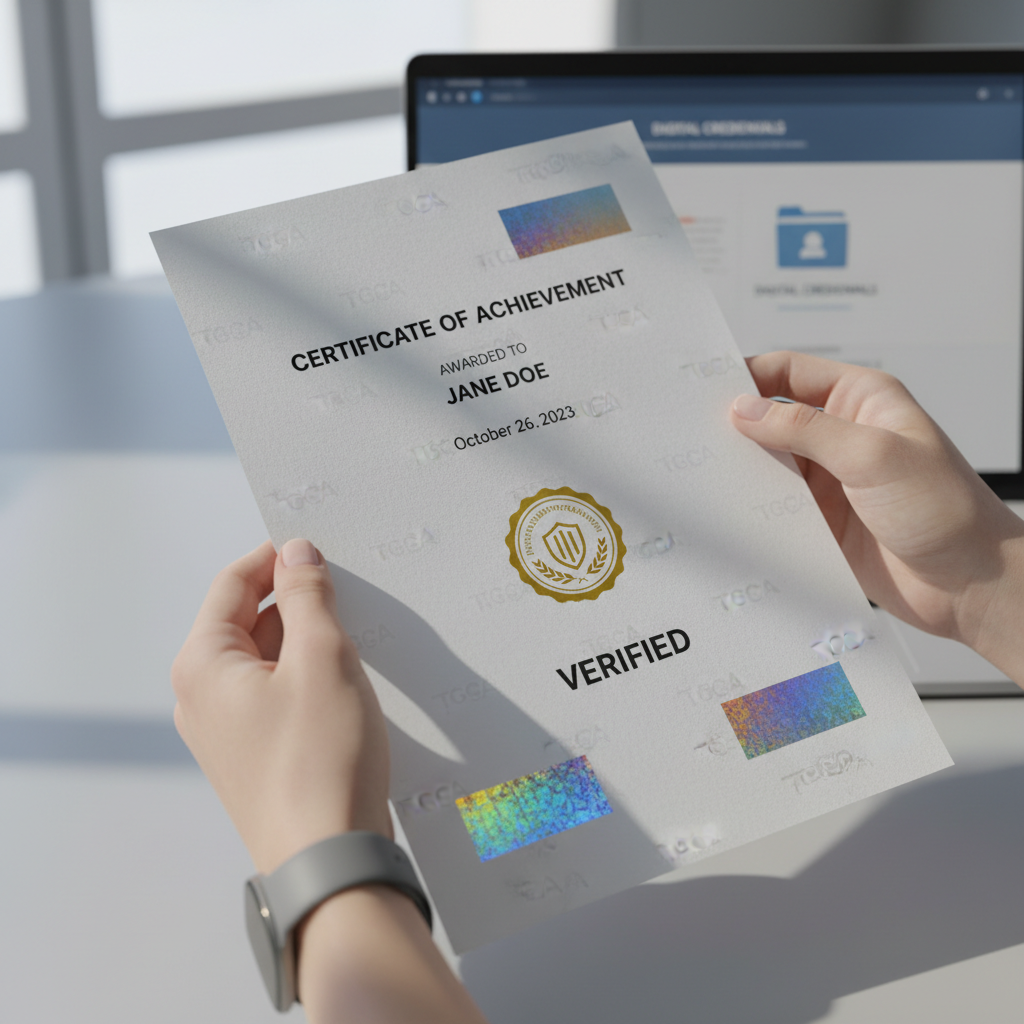
Once the identity is confirmed, the document is signed electronically. The notary then applies their electronic seal and signature, completing the notarization process. This seamless method ensures that the document is legally binding and tamper-proof.
Benefits of Remote Electronic Notarization
One of the most significant benefits of REN is the increased accessibility it provides. Individuals no longer need to travel to a notary's office, making the process more convenient for those with mobility issues or tight schedules. Additionally, REN offers greater flexibility, allowing notarizations to occur outside of traditional business hours.
- Convenience: Notarize documents from anywhere with an internet connection.
- Time-saving: Eliminate the need for in-person appointments.
- Security: Enhanced verification measures ensure document integrity.

Legal Considerations in North Carolina
While REN offers many advantages, it's essential to understand the legal framework surrounding it in North Carolina. The state has specific regulations in place to ensure that electronic notarizations are conducted responsibly and securely. Notaries must be specially commissioned to perform REN and adhere to state guidelines.
Moreover, the technology used for REN must comply with state-approved standards to maintain the legality and security of the notarized documents. This compliance ensures that all parties involved can trust the process.
The Future of Document Signing
The adoption of Remote Electronic Notarization is poised to grow even further in North Carolina. As more individuals and businesses recognize its benefits, the demand for REN services will likely continue to rise. This growth is expected to drive further innovation in the technology and platforms used for electronic notarization.
By embracing these advancements, North Carolina is setting a precedent for modernizing traditional processes, ultimately leading to more efficient and secure document handling.

In conclusion, Remote Electronic Notarization is transforming the landscape of document signing in North Carolina. With its numerous benefits and growing acceptance, REN represents the future of notarization, offering a more accessible, secure, and efficient way to manage important documents.