The Benefits of Remote Electronic Notarization in North Carolina
RJ
Introduction to Remote Electronic Notarization
In recent years, remote electronic notarization has revolutionized the way we handle legal documents. This innovation, particularly prominent in North Carolina, offers a seamless and efficient alternative to traditional notarization processes. With the growing need for digital solutions, understanding the benefits of remote notarization is essential for both individuals and businesses.

Accessibility and Convenience
One of the primary advantages of remote electronic notarization is its unmatched convenience. Gone are the days of scheduling appointments and traveling to a notary's office. With remote notarization, individuals can have their documents notarized from the comfort of their homes. This is especially beneficial for those with mobility issues or those living in rural areas.
Not only does this process save time, but it also provides the flexibility to notarize documents at any time, accommodating busy schedules and urgent needs.
Enhanced Security Measures
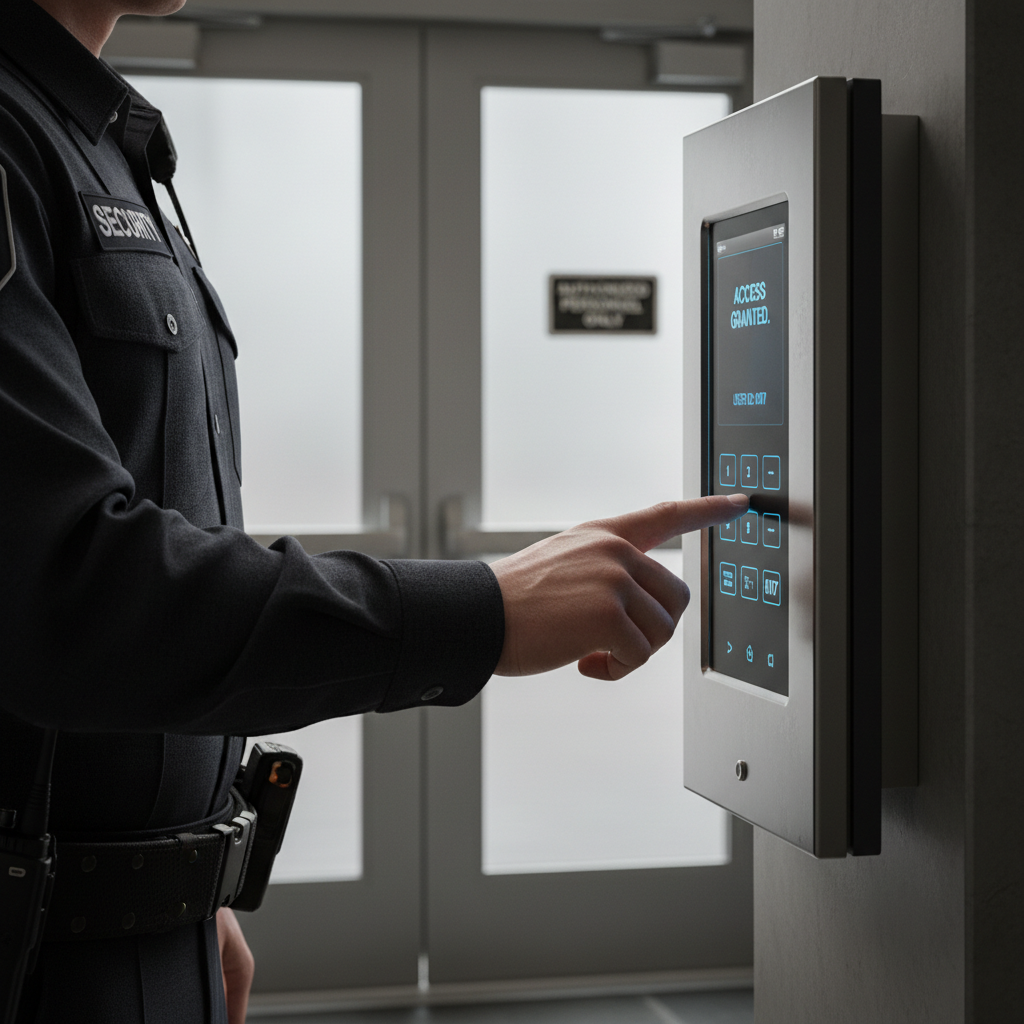
Remote electronic notarization utilizes advanced security features to ensure the authenticity and integrity of documents. These measures include identity verification, tamper-evident technology, and secure storage of notarized documents. Such features offer peace of mind, ensuring that the process is both safe and reliable.
Cost-Effective Solutions
By eliminating the need for physical travel and reducing the time spent on the notarization process, remote electronic notarization can be a more cost-effective solution. Businesses, in particular, can benefit from these savings, allowing them to allocate resources more efficiently.
The reduction in paper usage and physical storage also contributes to cost savings, making it an environmentally friendly option as well.
Legal Compliance and Acceptance
In North Carolina, remote electronic notarization is legally recognized, ensuring that documents notarized through this method are accepted in the same manner as those notarized traditionally. This compliance strengthens the credibility and acceptance of electronically notarized documents in various transactions.

Enhancing Business Operations
For businesses, integrating remote electronic notarization into their operations can streamline workflows and enhance productivity. By reducing the time and resources spent on document notarization, companies can focus on core activities and improve overall efficiency.
This integration also supports a more agile work environment, accommodating the growing trend of remote work and digital transformation.
Conclusion
Remote electronic notarization represents a significant advancement in the way we handle important documents. In North Carolina, the adoption of this technology offers numerous benefits, from convenience and security to cost savings and legal compliance. As we continue to embrace digital solutions, remote notarization stands out as a valuable tool for individuals and businesses alike.