The Future of Notarization: Trends Impacting Alamance County
RJ
The Digital Transformation of Notarization
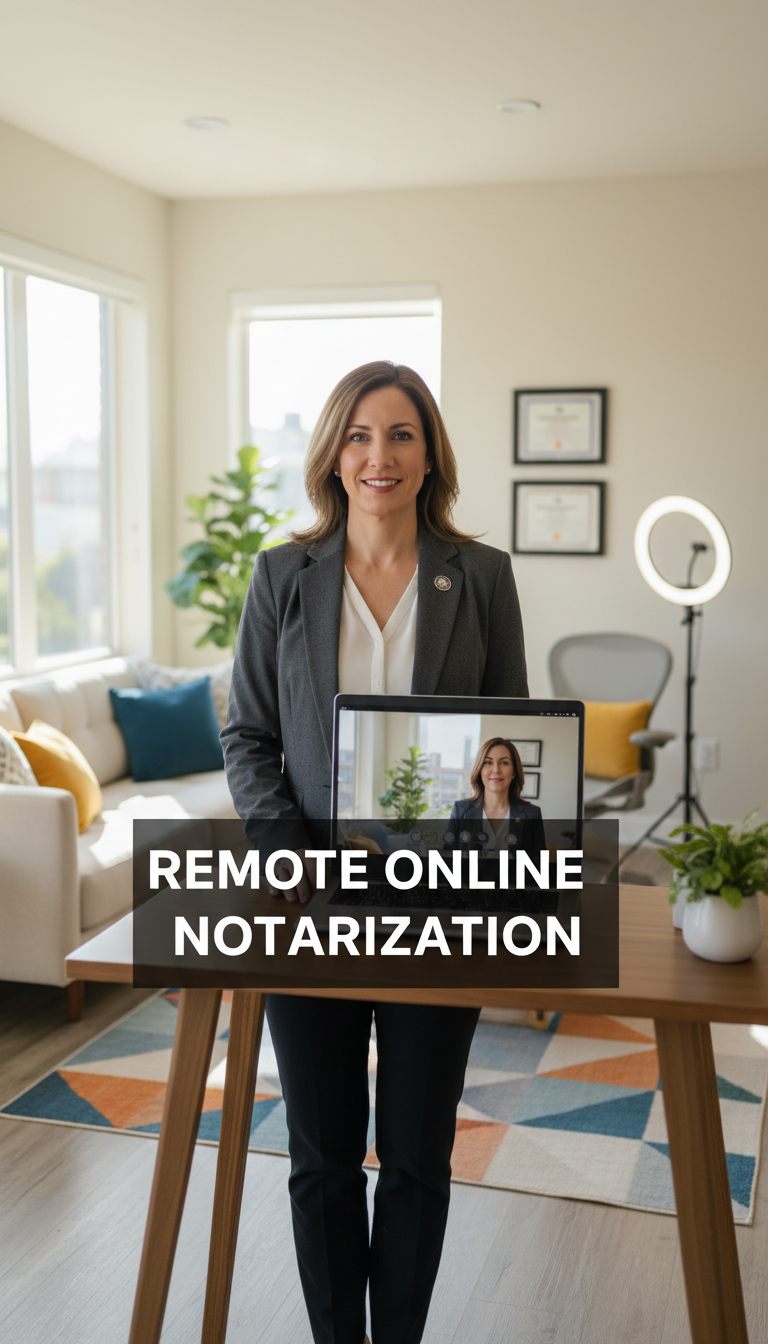
The world is rapidly embracing digital solutions, and notarization is no exception. In Alamance County, the traditional process of notarizing documents is undergoing a significant transformation. With the rise of Remote Online Notarization (RON), residents and businesses can now access notary services from the comfort of their homes. This shift not only increases convenience but also enhances security by leveraging advanced authentication technologies.
RON allows individuals to connect with notaries via secure video calls, eliminating the need for in-person appointments. This technological advancement is especially beneficial for those with mobility challenges or hectic schedules. As this trend continues to grow, it’s crucial for both notaries and clients to stay informed about the legal requirements and best practices associated with digital notarization.
Legal Framework and Compliance
The implementation of digital notarization in Alamance County is supported by evolving legal frameworks. State laws have been updated to accommodate and regulate the use of RON, ensuring that digital notarizations hold the same legal weight as traditional methods. Notaries must comply with specific guidelines, including identity verification protocols and secure record-keeping practices.
For businesses, understanding these regulations is vital to ensure that all notarized documents meet legal standards. Continuous education and training for notaries are essential components in maintaining compliance and delivering reliable services to clients.
The Role of Artificial Intelligence
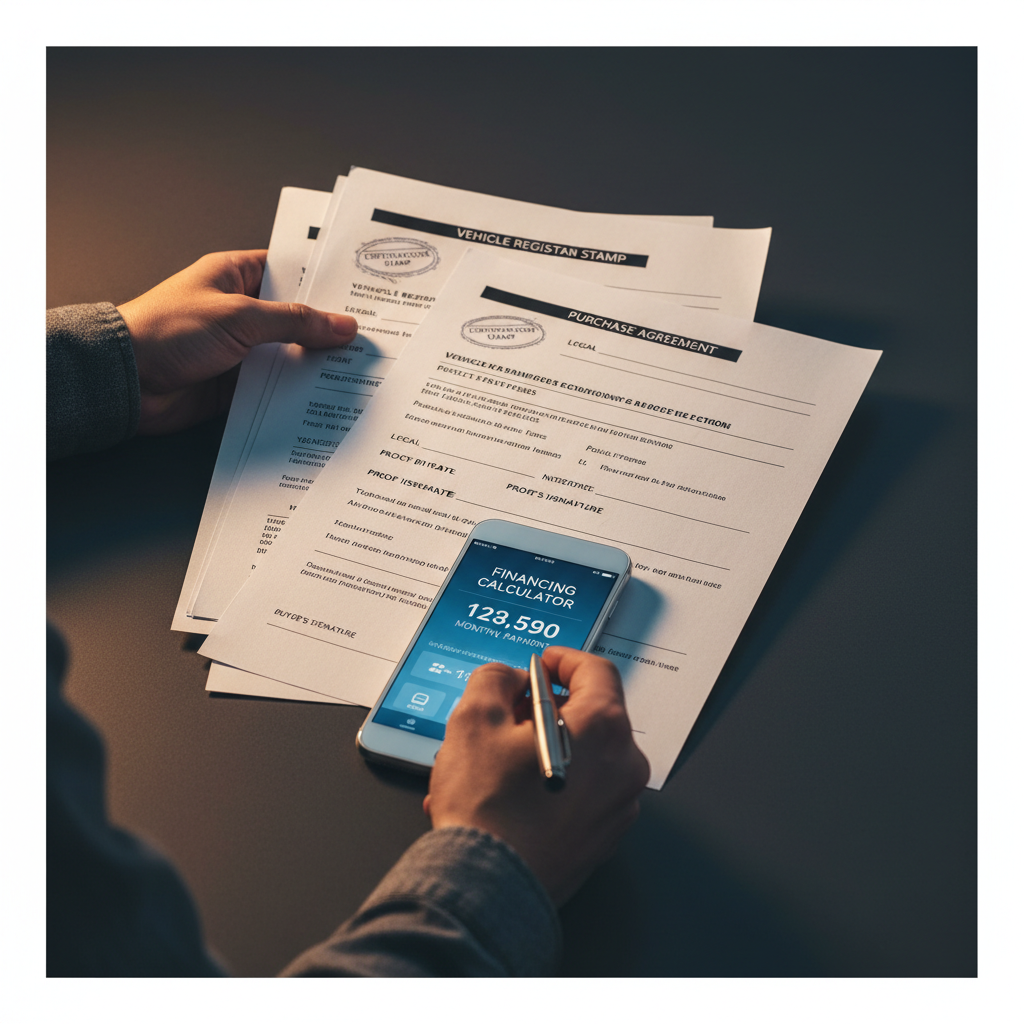
Artificial Intelligence (AI) is playing an increasingly important role in the notarization process. AI-driven tools can assist notaries by automating repetitive tasks, such as document review and data entry. This technology not only saves time but also reduces human error, ensuring greater accuracy in notarized documents.
Moreover, AI can enhance fraud detection by analyzing patterns and identifying anomalies in documentation. This added layer of security is crucial in protecting sensitive information and maintaining trust in the notarization process.

Benefits for Businesses and Individuals
The digital transformation of notarization offers numerous benefits for both businesses and individuals in Alamance County. For businesses, digital notarization streamlines operations, reduces paperwork, and facilitates faster transactions. This efficiency can lead to cost savings and improved client satisfaction.
Individuals also benefit from the convenience and flexibility of RON. Whether it’s signing a real estate contract or executing a power of attorney, digital notarization provides a seamless experience, enabling quick and secure document processing from anywhere in the world.
Challenges and Considerations
Despite its benefits, the shift to digital notarization is not without challenges. Ensuring data security and privacy is paramount, as sensitive information is transmitted and stored electronically. Notaries and clients must be vigilant about cybersecurity measures to protect against potential breaches.
Furthermore, there is a learning curve associated with adopting new technologies. Training and resources must be made available to help notaries and their clients navigate the digital landscape effectively. By addressing these challenges, Alamance County can fully realize the potential of digital notarization.

The Future Outlook
The future of notarization in Alamance County looks promising as technology continues to evolve. As digital tools become more accessible and user-friendly, the adoption rates of RON are expected to rise. This trend will likely lead to further innovations in the notarization process, offering even greater convenience and security.
Ultimately, the success of digital notarization will depend on the collaboration between technology providers, legal authorities, and end-users. By working together, these stakeholders can ensure that the future of notarization is both progressive and secure, benefiting the entire community.